

Hip Pain With Squats and Stairs May Involve More Than the Hip

By November 20, 2026Mobility
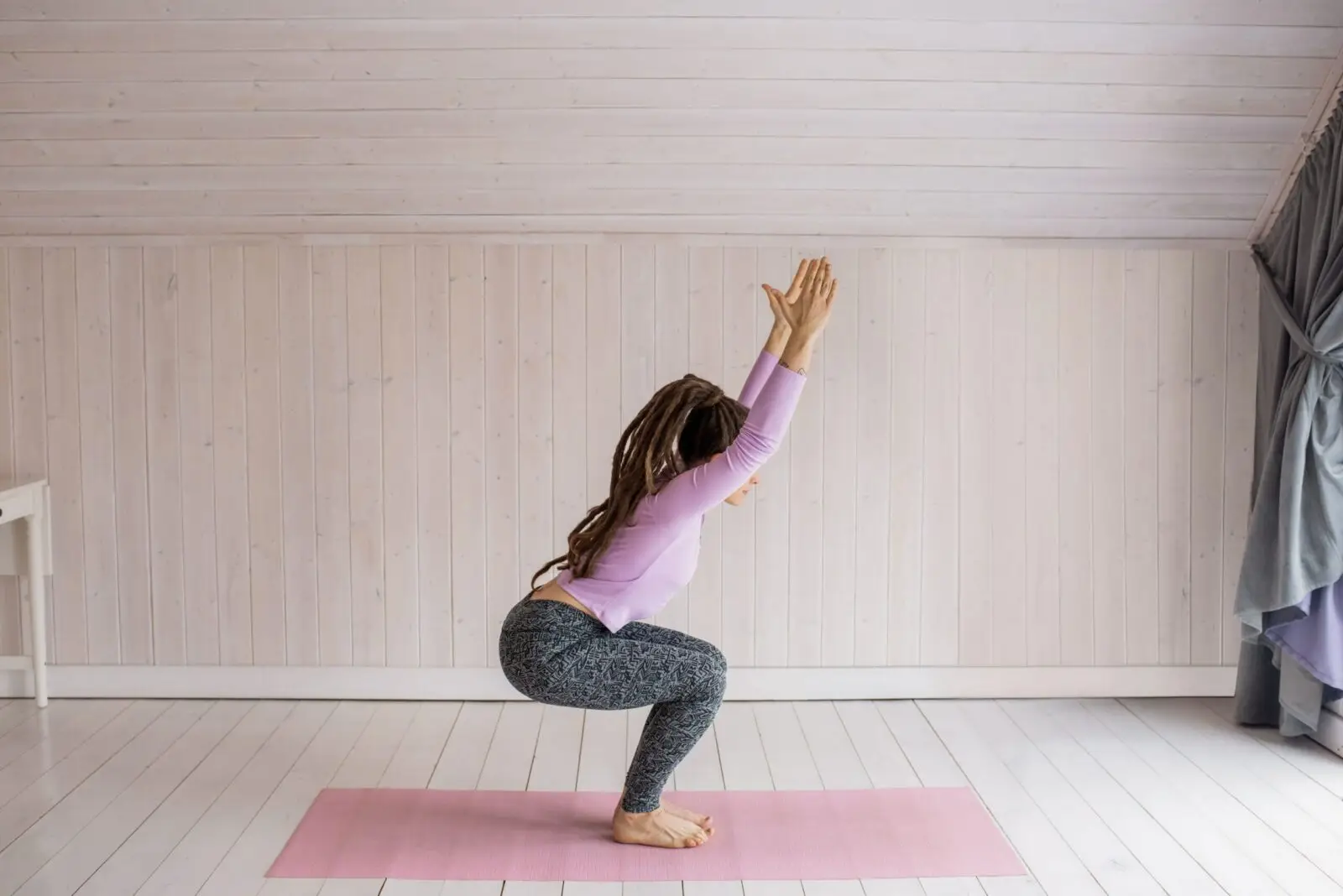
A woman performs yoga at home on a pink mat, emphasizing relaxation and health. Squats and stairs both require the hip to manage body weight, but they also depend on the foot, ankle, knee, trunk, balance, and timing. When discomfort appears, focusing only on the painful spot may miss part of the movement story. Our whole-body Pain & Injury Management approach looks at how these pieces work together. >>> If hip pain is limiting stairs or strength training, request a free consultation for a more complete look at the pattern.

The Hip Works Inside a Movement Chain

During a squat, your body coordinates depth, balance, trunk position, and force through both legs. On stairs, one leg must accept or lift your body while the other transitions to the next step. A restriction or control problem elsewhere can change how the hip is loaded. That does not mean every hip symptom comes from another body part. It means the assessment should test possibilities rather than assuming the location of pain tells the entire story.

Compare the Tasks Instead of Guessing

Useful observations include:
  • Where do you feel the symptom: front, side, back, or deeper in the joint?
  • Does it begin on the way down, the way up, or after several repetitions?
  • Does changing foot position, step height, depth, or support affect it?
  • Does the response settle quickly or remain elevated later in the day?
The differences can guide better questions. If stairs hurt but a supported squat does not, balance or single-leg demand may matter. If deeper positions increase symptoms, range and load tolerance deserve attention.

Check What Changes the Movement

Small adjustments can reveal useful information. Holding a rail, reducing step height, using a box for squat depth, or slowing the lowering phase may change the response. These are observations, not a diagnosis or a permanent solution. Through Movement Therapy, we can assess how the hip coordinates with the rest of the body and use targeted movement to build capacity. Hands-on care may also support the plan when it is appropriate to the individual.

Do Not Forget Load and Recovery

A familiar movement can become irritating when its volume changes. More stairs during travel, a new strength program, heavier squats, or less recovery between sessions can exceed current tolerance even when technique appears reasonable. Track recent changes in activity, sleep, stress, and training. Lisa Chase’s Be Responsible for Your Health encourages this kind of active awareness so the conversation with your provider includes what your body has been asked to handle.

A Whole-Body Assessment Creates Better Questions

We look at mobility, strength, control, symptom behavior, and the task you want to perform. For an active parent, pain-free stairs may be the immediate goal. For a lifter, the target may include depth, load, and confidence under a bar. One-on-one care gives us room to adjust the assessment and treatment as new information appears. We avoid promising one root cause or a guaranteed timeline because each person’s pattern and response can differ.

Return to the Activities That Matter

Hip pain does not automatically mean you must avoid squats or stairs forever. It does mean repeated painful movement deserves a thoughtful response. The goal is to understand the demand, select a workable starting point, and progress based on how you respond. If hip pain is changing your workouts or daily routine, call (727) 362-6866 or request a free consultation. We can help you explore the whole movement pattern and choose a responsible path forward.
Lisa Chase PT

Lisa Chase PT

Licensed Physical Therapist and the founder of Back 2 Normal Physical Therapy, serving the St. Petersburg, Florida area. With over 30 years of experience in orthopedics, sports medicine, and holistic healing, Lisa brings world-class expertise to helping athletes and active individuals recover, perform, and thrive.