


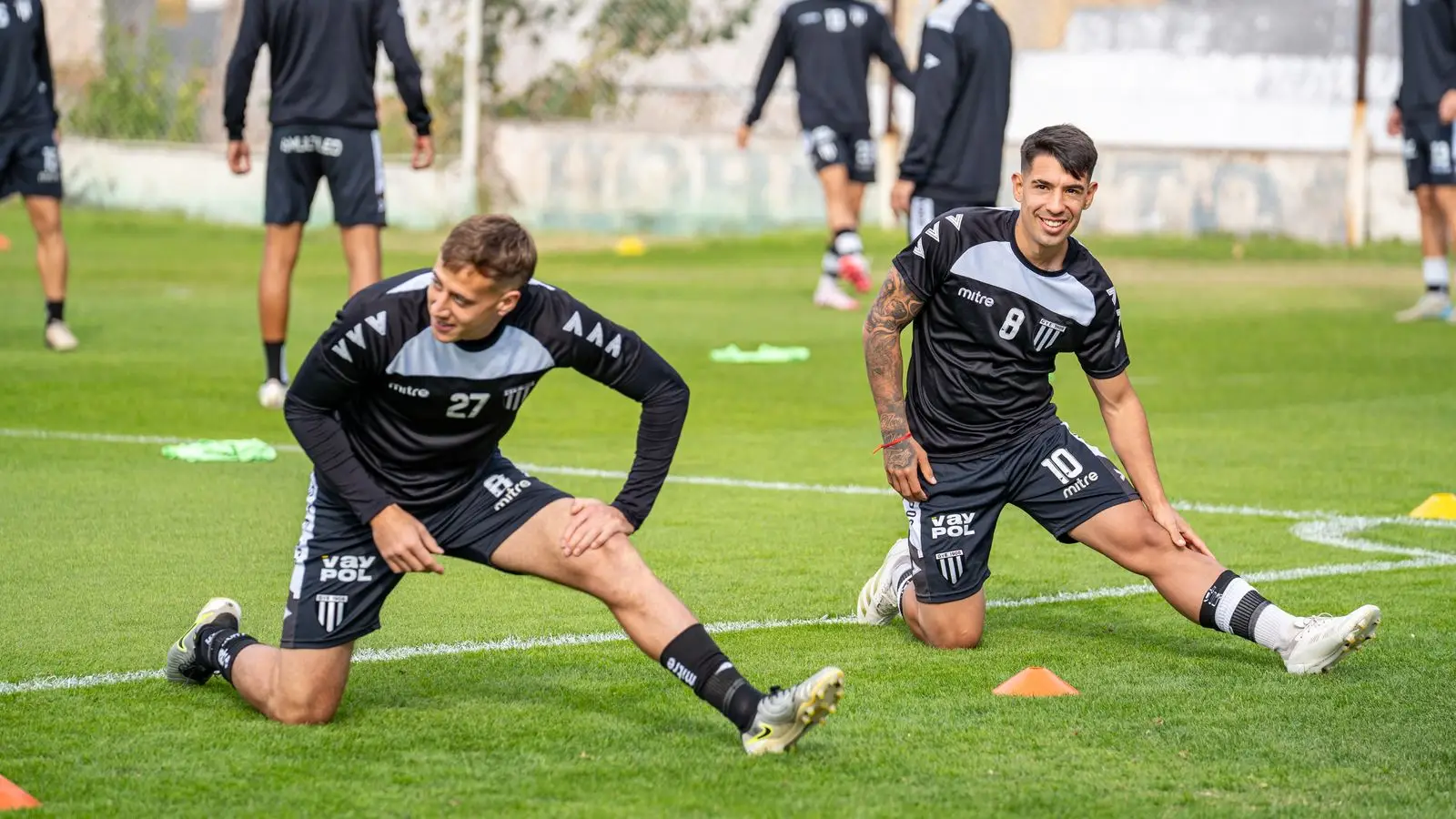
Moving From Pain & Injury Management Into Athletic Performance

By November 13, 2026Performance
Back-to-School Season: Protecting Young Athletes from Overuse Injuries Feeling better is an important milestone, but it may not mean you are ready for the full demands of running, tennis, golf, strength training, or competitive sport. We help active adults bridge that gap by connecting Pain & Injury Management with Athletic Performance instead of treating them as unrelated phases. >>> If you want a clearer path from recovery to performance, request a free consultation to discuss the demands that matter most to you.

Rehab and Performance Solve Different Problems

Early rehabilitation may focus on calming symptoms, restoring mobility, and rebuilding tolerance for daily tasks. Performance work asks whether you can produce and absorb force, repeat demanding movements, respond quickly, and recover between sessions. The transition is not a single finish line. A runner may feel comfortable walking before tolerating hills. A golfer may regain rotation before handling repeated swings. The next phase should reflect the activity you want to resume.

Earn the Next Level of Demand

Before increasing intensity, ask:
  • Can you tolerate the basic movement pattern without a significant symptom increase?
  • Can you repeat it while maintaining control and confidence?
  • Can you handle the speed, load, and duration required by your activity?
  • Can you recover well enough to train again as planned?
These questions keep progress connected to function. They also make it easier to identify whether mobility, strength, power, coordination, or conditioning needs more attention.

Use Goals to Shape the Transition

A generic exercise program cannot account for every destination. Returning to recreational pickleball is different from preparing for a marathon or managing a physically demanding job. We begin with the goal, then work backward to the capacities it requires. That plan may include strength progressions, landing mechanics, rotational control, aerobic conditioning, or sport-specific drills. We advance the challenge based on how you move and recover, not simply because a certain number of weeks has passed.

Train the Gaps That Daily Life May Not Expose

Daily activities can feel normal while higher-level weaknesses remain. Stairs may not reveal how your knee responds to cutting. A comfortable walk may not show whether your calf can handle repeated running strides. Our one-on-one approach lets us examine those gaps and adjust the plan as your capacity changes. Lisa Chase’s experience with professional athletes helped shape a method that treats high-quality individualized care as something every active person deserves.

Keep Recovery in the Performance Plan

More training is not always better training. Sleep, nutrition, stress, tissue recovery, and the spacing of hard sessions influence what your body can adapt to. A good plan includes challenging work and enough recovery to absorb it. In Be Responsible for Your Health, Lisa emphasizes active participation rather than passive dependence. Keeping a simple record of training load, symptoms, energy, and recovery can help you make better decisions with your care team.

Move Forward With a Connected Plan

You should not have to choose between rehabilitation and performance when your goal requires both. At Back 2 Normal, we integrate manual therapy, movement, education, and progressive training so the plan can evolve from symptom management toward the activities you value. A connected plan also gives you clear checkpoints for discussing progress, adjusting training demands, and deciding which capacity should be developed next. A connected plan also gives you clear checkpoints for discussing progress, adjusting training demands, and deciding which capacity should be developed next. If you are ready to build beyond basic recovery, call (727) 362-6866 or request a free consultation. We can help you identify the next performance demands and create a plan that respects where you are starting.
Lisa Chase PT

Lisa Chase PT

Licensed Physical Therapist and the founder of Back 2 Normal Physical Therapy, serving the St. Petersburg, Florida area. With over 30 years of experience in orthopedics, sports medicine, and holistic healing, Lisa brings world-class expertise to helping athletes and active individuals recover, perform, and thrive.