


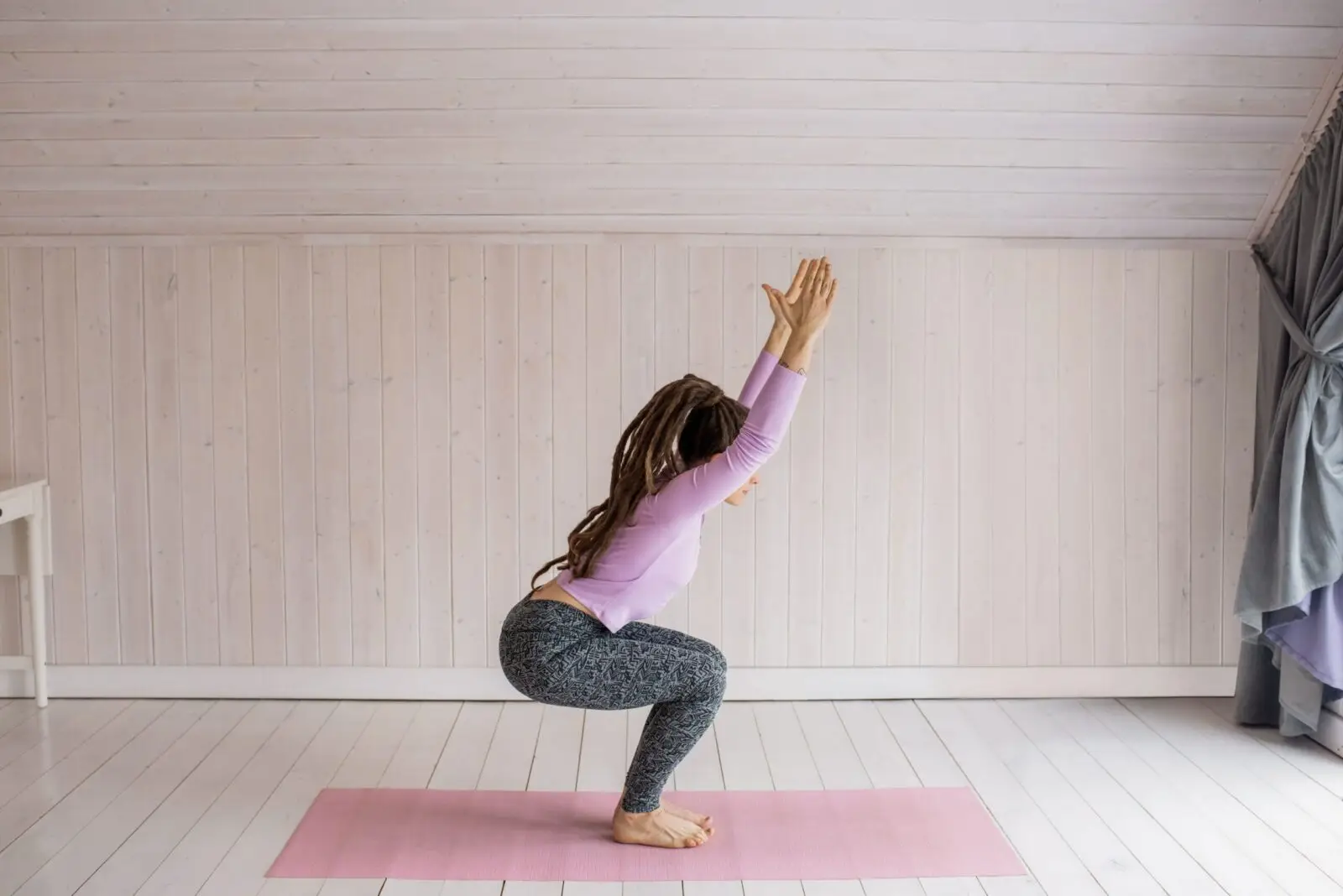
 Squats and stairs both require the hip to manage body weight, but they also depend on the foot, ankle, knee, trunk, balance, and timing. When discomfort appears, focusing only on the painful spot may miss part of the movement story. Our whole-body Pain & Injury Management approach looks at how these pieces work together.
>>> If hip pain is limiting stairs or strength training, request a free consultation for a more complete look at the pattern.
The Hip Works Inside a Movement Chain
During a squat, your body coordinates depth, balance, trunk position, and force through both legs. On stairs, one leg must accept or lift your body while the other transitions to the next step. A restriction or control problem elsewhere can change how the hip is loaded. That does not mean every hip symptom comes from another body part. It means the assessment should test possibilities rather than assuming the location of pain tells the entire story.Compare the Tasks Instead of Guessing
Useful observations include:- Where do you feel the symptom: front, side, back, or deeper in the joint?
- Does it begin on the way down, the way up, or after several repetitions?
- Does changing foot position, step height, depth, or support affect it?
- Does the response settle quickly or remain elevated later in the day?