


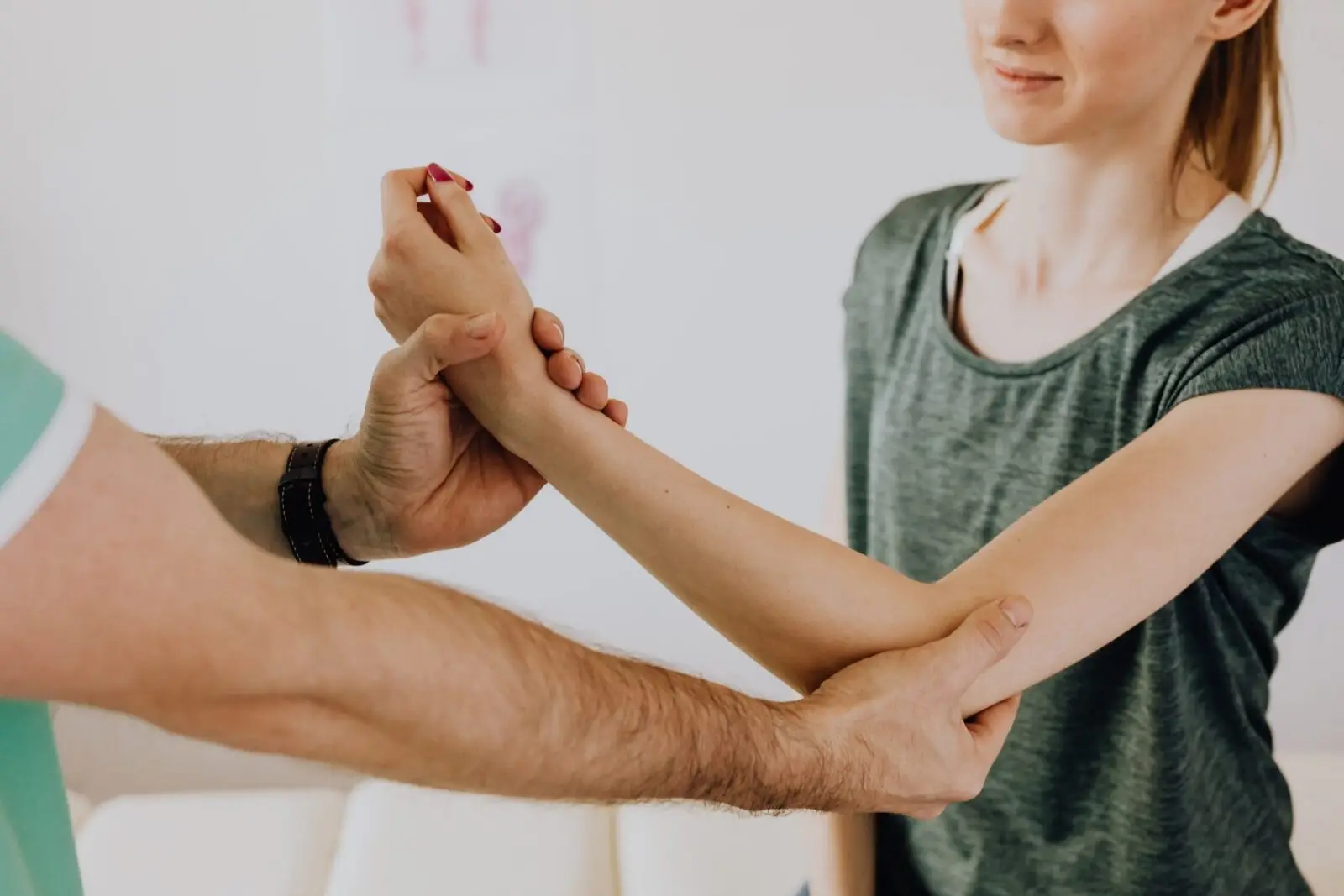
 Your goal at the first visit may be getting through a workday with less difficulty. A month later, you may be thinking about returning to the gym, lifting your child, traveling, or competing again. Good physical therapy should recognize that shift.
At Back 2 Normal Physical Therapy, one-on-one care gives us time to connect each session with what has changed outside the clinic. Your plan can evolve as your symptoms, confidence, schedule, and priorities evolve.
>>> To discuss a physical therapy plan built around your changing goals, request a free consultation.
The First Goal Is a Starting Point
Early goals often focus on immediate problems: walking more comfortably, sleeping with fewer interruptions, managing stairs, or returning to basic exercise. Those priorities help guide the first phase of care, but they do not have to define the entire plan. As you improve or encounter new challenges, the target may become more specific. “Move without pain” might become “complete a full strength session,” “carry equipment at work,” or “play an entire match.” Clearer goals give the plan a more useful direction.One-on-One Time Makes Reassessment Practical
Progress is rarely identical from one week to the next. A busy work period, a change in training, travel, sleep, or a flare in symptoms can alter what is appropriate that day. One-on-one sessions create space to review those changes, reassess movement, and explain why an exercise or treatment choice is being adjusted. Continuity also matters. When your clinician understands the history behind the goal, a setback does not have to send the plan back to the beginning. It becomes new information that can guide the next decision.Care Can Shift From Protection to Capacity
The early phase of pain and injury management may emphasize tolerable movement, education, and ways to stay engaged in daily life. As the situation changes, the focus can move toward strength, endurance, coordination, and more demanding tasks. For an active adult, that might mean progressing from a controlled squat to lifting from the floor, then adding speed or fatigue. For a busy parent, it might mean moving from comfortable walking to carrying a child, managing stairs, and returning to a favorite class. The progression should reflect the real task, not just a generic exercise list.Useful Goals Are Specific Enough to Test
You can help make the plan more responsive by bringing concrete examples to each visit:- What activity is easier than it was two weeks ago?
- What task still feels limited or uncertain?
- What have you stopped doing because of the problem?
- What would meaningful progress look like next month?
- Has your work, family, or training schedule changed?